

Government should target 25% cut in tax compliance costs, say MPs
Parliament’s Business and Trade Committee is calling for the government to act to cut the costs of tax compliance for small businesses, including changes to Making Tax Digital. The committee is also encouraging the government to consider significant reforms of VAT and business rates, and greater funding for HMRC customer service.
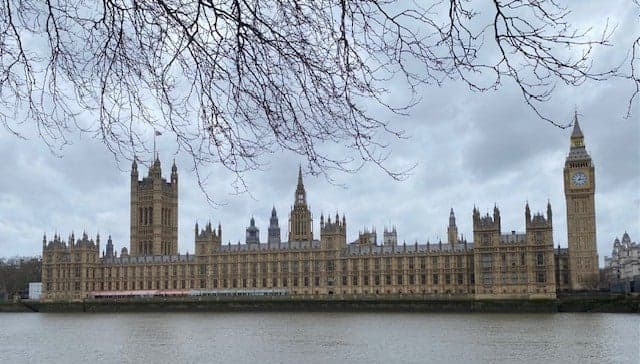
The committee’s report, ‘Small Business Strategy’, is published today, Wednesday 11 February 2026. It follows an inquiry and evidence sessions featuring expert witnesses including Alison Kerrey, chair of the CIOT/ATT Digitalisation and Agent Services Committee.
The committee draws upon Alison’s evidence that inconsistency and uncertainty are particularly damaging for small firms and that SMEs need to understand “what they need to do for the medium term and not [have] changes sprung on them all the time”. The MPs conclude that future policy changes must both adequately model how small businesses will be affected by tax changes and seek feedback from smaller firms about potential impacts. They recommend that the government introduce SME impact assessments when considering future policy changes, adding that these should model the specific cumulative impact of proposals on smaller firms.
Compliance costs and call answering
The report notes that the tax system is becoming more complex, adding that “[t]his is generating significant burdens for SMEs, distracting business owners from running their companies, and jeopardising collection of tax revenues.”
The committee notes that the government has recognised the importance of reducing the regulatory burden for businesses, that it has established a baseline assessment of these costs, and that it has set out an ambitious target to reduce these costs by 25% by the end of the Parliament. The committee says that the government should take the same approach to the tax system, publishing a baseline assessment of SME administrative costs of complying with the tax system and aiming to reduce the costs of complying with the tax system by 25% by the end of the Parliament.
As a first step towards this target, the committee recommends that the government increase the roll out period for Making Tax Digital for income tax. It should also reduce the quarterly reporting requirements under Making Tax Digital, the report adds.
In the report the cross-party committee, chaired by Labour MP Liam Byrne, expresses concern that HMRC is currently only funded to meet a target of answering 85% of calls, meaning that even if it hits this target (it currently falls just short of it) some three to four million calls a year still go unanswered. “As the small business tax gap grows, it is essential that HMRC gets back in touch with these customers and understands how to best support them,” say the committee.
Reiterating a recommendation of the Public Accounts Committee, the Business and Trade Committee say that HMRC “should ensure it understands how far its digital services can replace telephone services and what level of telephone service it needs to retain to meet the needs of small businesses”. It also says the government should reconsider whether the 85% target is adequate and fund an uplift.
VAT reform – committee calls for options
The committee calls on the government to reform the VAT system “to remove growth-discouraging cliff edges, including reviewing the VAT registration threshold and reducing complexity that penalises expanding firms, particularly in labour-intensive sectors”.
The MPs conclude that the UK’s high VAT threshold is acting as “a significant brake on small business expansion”. They say that, for service-based industries, like the hair and beauty sector – to which they paid particular attention in the inquiry – its impact “is distortionary and disincentivises employment creation”.
However the MPs make no firm recommendations on how the VAT system should be reformed, noting that there was “no consensus in the evidence” about the best way to do this. They note that some witnesses called for a tapered rate above the current threshold while others said the threshold should be significantly lower. Most of the contributors from the hair and beauty sector argued that a reduced threshold should be combined with a reduced VAT rate of 10% for service-based businesses, they add.
Reflecting this inconclusive evidence, the committee argues that, as part of its call for evidence on Tax Support for Entrepreneurs, the government “should set out to Parliament the impact on small business growth of the current VAT system, and present options for restructuring VAT in a way that optimises small business and employment growth.”
Other recommendations
Other recommendations in the report include:
Business rates: The government should complete its review of the business rates system and incorporate more ambitious options for reform. This review should include an evaluation of replacing today’s system with a turnover-based local tax, reconsider the feasibility of implementing an online sales tax, and consider introducing relief for the new occupiers of properties that have previously been empty
R&D credits: Reintroduce the previous 28-day target for processing R&D tax claims and widen the eligibility criteria so as to include arts, humanities, and social sciences research within its scope. The government should also bring forward proposals for tax incentives to encourage increased intangible investment and the diffusion of productivity enhancing general purpose technologies, such as artificial intelligence
Employment status: The government should fulfil its commitments to conduct a review of employee, worker and self-employed status immediately. The Fair Work Agency, when operational, should work closely with partner organisations such as HMRC and prioritise the investigation of bogus self-employment in the hair and beauty sector in particular
Definitions: Noting that SMEs represent 99.9% of UK businesses and range from firms with 2 employees to those with 150, the committee say the government should reconsider its use of the term SME. Moving forward it should directly link policy programmes to different categories of these businesses (micro, small, and medium) in order to make it clear as to which group is being targeted by a particular policy measure